

Some treatments give your skin a temporary glow. Laser resurfacing is different. When chosen well and performed properly, it is designed to improve the skin itself – texture, tone, fine lines, acne scarring, and overall clarity – in a way that makeup and topical products simply cannot replicate. That is why this guide to laser skin resurfacing matters for anyone looking for visible change, not just a short-lived refresh.
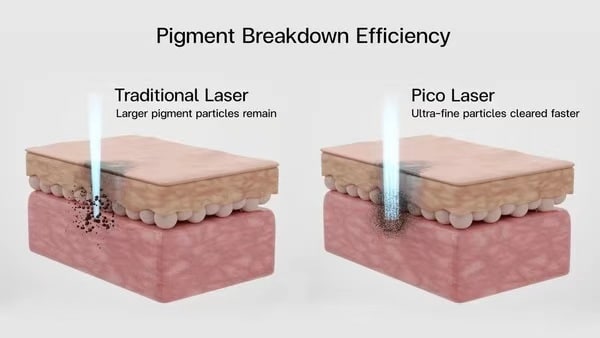
Laser skin resurfacing is a medically supervised treatment that uses targeted light energy to remove damaged outer layers of skin, stimulate collagen production, or do both at once, depending on the device and settings used. The goal is smoother, clearer, firmer-looking skin with a more refined surface. It is one of the most effective non-surgical options for people who want a meaningful improvement in skin quality, but it is not a one-size-fits-all treatment.
What laser skin resurfacing actually treats
The strongest results tend to come when the treatment is matched carefully to the concern. Laser resurfacing is commonly used for sun damage, uneven pigmentation, rough texture, enlarged pores, acne scars, fine lines around the eyes and mouth, and skin that has started to look dull or crepey. In some cases, it can also improve surgical scars or areas of mild skin laxity by encouraging collagen remodeling.
That said, not every concern responds equally. Deep expression lines, significant sagging, and volume loss often need a different plan or a combination approach. A laser can improve the skin’s surface and support collagen, but it does not replace treatments designed for lifting, contouring, or restoring volume.
A practical guide to laser skin resurfacing types
There is a reason consultations matter so much with this category of treatment. “Laser resurfacing” is not one single procedure. Different lasers work at different depths, with different levels of downtime and intensity.
Ablative lasers remove part of the skin’s surface as they treat. These are typically chosen when more dramatic correction is the goal, especially for deeper wrinkles, advanced sun damage, or more pronounced acne scarring. Results can be impressive, but recovery is usually more noticeable.
Non-ablative lasers heat deeper layers of the skin without removing the outer surface in the same way. These are often preferred when patients want collagen stimulation and skin rejuvenation with less downtime. The trade-off is that results may be more gradual and may require a series of sessions.
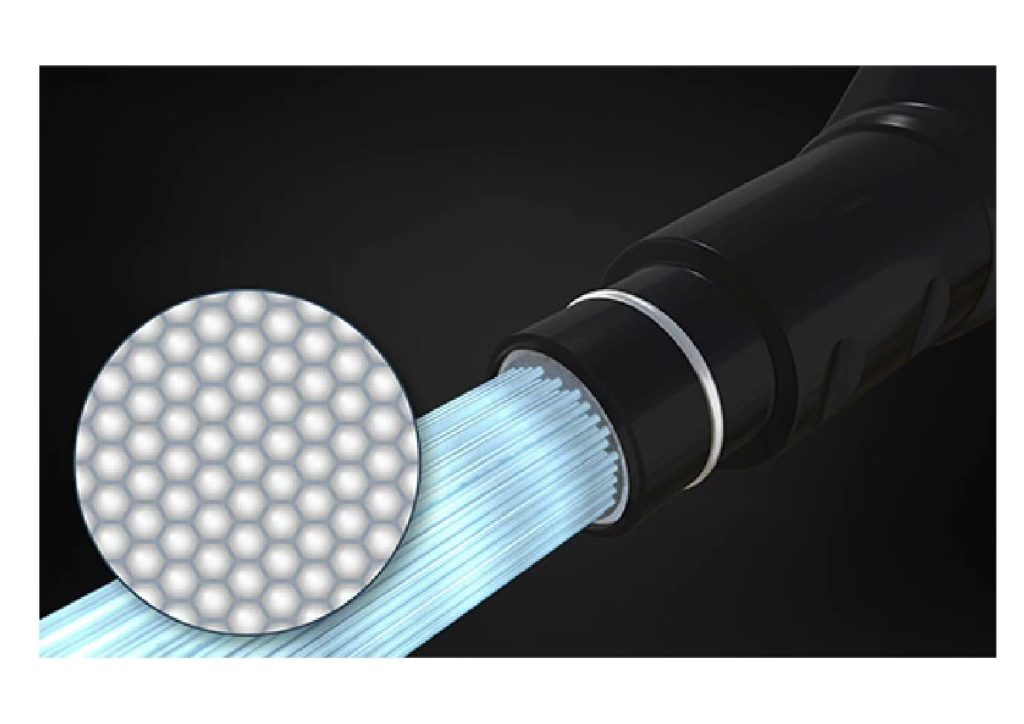
Fractional technology sits somewhere in the middle for many patients. Instead of treating the entire skin surface uniformly, it creates controlled microscopic treatment zones while leaving surrounding skin intact. This can support faster healing and a balanced result profile, which is why fractional resurfacing is often popular for busy professionals who want meaningful improvement without the longest recovery window.
The right choice depends on your skin type, concern, tolerance for downtime, and how quickly you want to see change. Stronger is not always better. The best treatment is the one your skin can heal from safely and predictably.
Who is a good candidate for laser skin resurfacing?
Good candidates are usually people with realistic expectations, a clear skin concern, and a willingness to follow pre- and post-treatment instructions carefully. If your goal is smoother skin, softer lines, more even tone, or improvement in scarring, laser resurfacing may be worth considering.
Skin type matters. A thorough assessment is especially important for patients with melanin-rich skin, a history of post-inflammatory hyperpigmentation, active acne breakouts, melasma, rosacea, or recent tanning. These factors do not automatically rule treatment out, but they do change how treatment should be planned. Settings, laser choice, skin preparation, and aftercare all need to be tailored with precision.
You may need to delay treatment if you are pregnant, using certain medications, prone to poor wound healing, or dealing with an active skin infection. If you have a history of cold sores, your provider may prescribe antiviral medication before treatment, since laser procedures around the mouth can trigger a flare.
What to expect before your appointment
A high-quality consultation should feel personalized, not rushed. Your provider should ask about your skin history, current skincare routine, medications, previous cosmetic treatments, sun exposure, and what kind of result you are hoping to achieve. This is also when photos are often taken and your provider explains what is realistic in one session versus several.
Preparation may include stopping retinoids, acids, exfoliants, and other potentially irritating products for a short period before treatment. Sun protection becomes especially important. Skin that is recently tanned or inflamed is not ideal for resurfacing.
For some patients, pre-treatment skincare is part of the plan. This can help calm the skin, reduce the risk of pigment changes, and create a better healing environment. In a clinic setting where results and safety are treated with equal importance, preparation is never an afterthought.
What treatment day feels like
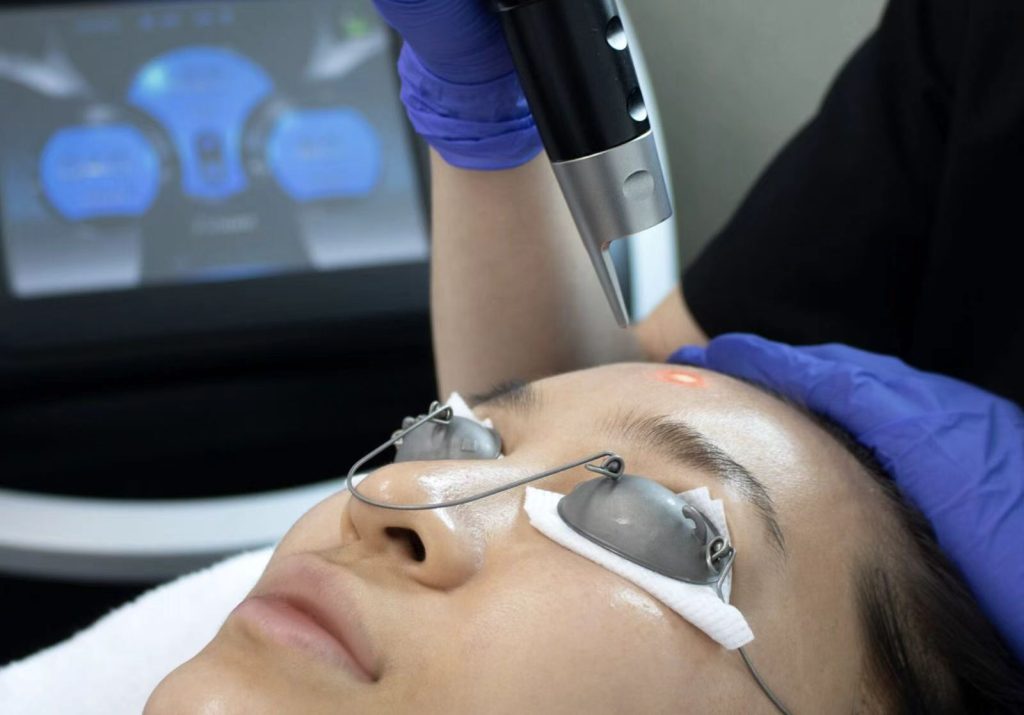
The experience depends on the laser used and the intensity of the session. A topical numbing cream is often applied beforehand, and some treatments use cooling methods to improve comfort. During the procedure, many patients describe the sensation as heat, prickling, or a series of quick snaps against the skin.
Lighter treatments can be relatively easy to tolerate. More intensive resurfacing sessions are more demanding, which is why your provider should walk you through the expected comfort level in advance. Treatment time may range from under 30 minutes to over an hour depending on the area and approach.
Immediately afterward, the skin may look red and feel warm, similar to a strong sunburn. With more aggressive resurfacing, swelling, sensitivity, and visible peeling are common parts of the healing process.
Downtime, healing, and aftercare
This is the part patients often underestimate. Your result is shaped not only by the laser itself, but by how well your skin heals afterward.
Milder treatments may involve one to three days of redness and a slightly rough or bronzed appearance. More intensive ablative or fractional sessions can require a week or more of visible recovery, followed by lingering pinkness that fades gradually. During this time, the skin is vulnerable and needs gentle, consistent care.
You will usually be advised to avoid heat, intense exercise, active skincare ingredients, picking, and direct sun exposure while healing. A bland, barrier-supportive moisturizer and diligent sunscreen use are standard. Makeup may need to wait until the skin surface has recovered enough.
It is normal for skin to look worse before it looks better. Texture can feel dry or flaky, and pigment may temporarily appear darker before clearing. Collagen remodeling also takes time, so some results continue to develop over several weeks or months.
Results and how long they last
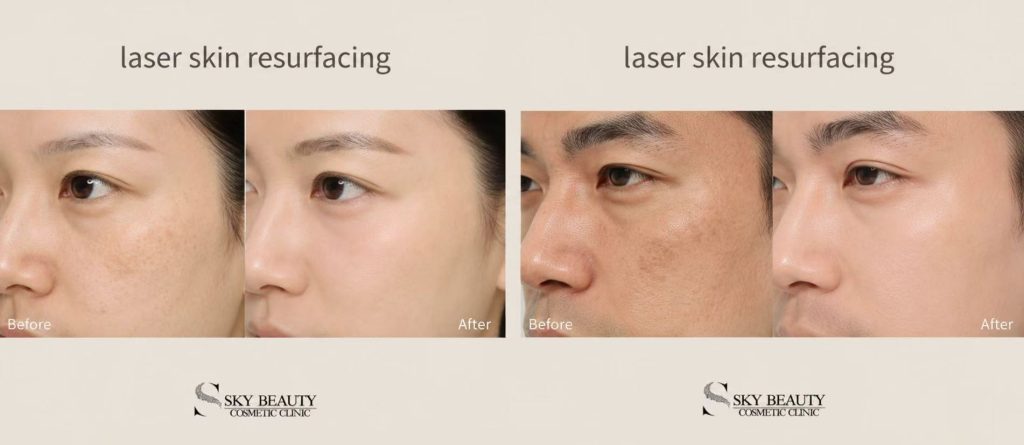
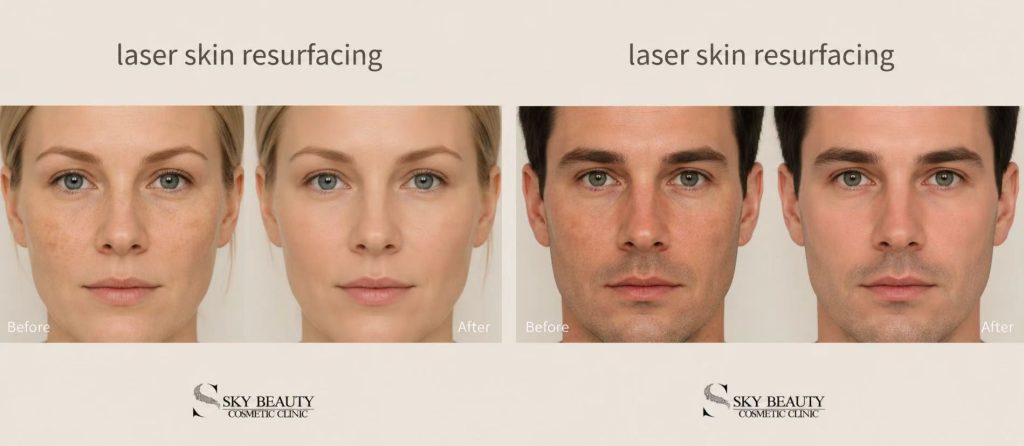
Many patients notice brighter, fresher-looking skin once the initial healing phase passes. Improvements in texture, pores, discoloration, and superficial lines can become visible relatively quickly. Collagen-driven changes, including smoother acne scars and firmer-looking skin, tend to emerge more gradually.
Longevity depends on the type of laser used, the issue being treated, your age, your skincare habits, and how well you protect your skin from the sun. A single stronger treatment may deliver substantial change, while lighter resurfacing often works best as a series. Maintenance sessions can help preserve the result over time.
This is also where expectations matter. Laser resurfacing can produce refined, impressive improvement, but it does not stop the natural aging process. Think of it as a strategic reset for the skin, not a permanent finish line.
Risks, trade-offs, and why provider choice matters
Every medical aesthetics treatment has a risk profile, and laser resurfacing is no exception. Temporary redness, swelling, dryness, and peeling are expected. Less common but more serious risks include infection, prolonged redness, scarring, and pigment changes such as hyperpigmentation or hypopigmentation.
The balance between results and downtime is real. More aggressive settings can produce stronger correction, but they can also increase recovery time and the chance of complications. A conservative plan is sometimes the more sophisticated choice, especially for sensitive skin or patients with pigment concerns.
That is why experience matters so much. In a clinic such as Sky Beauty Cosmetic Clinic, where treatment planning is centered on skin analysis, certified providers, and personalized care, laser resurfacing should never be approached as a generic add-on. It works best when the technology, settings, and aftercare are chosen with discipline.
Is laser resurfacing worth it?
If your main frustration is the quality of your skin rather than facial structure, laser resurfacing can be one of the most worthwhile aesthetic investments available. It addresses concerns at a level that facials and home products usually cannot. For the right patient, that can mean clearer skin, softer scars, and a smoother, more polished complexion that still looks like you.
The key is choosing treatment for the right reason and with the right expectations. If you want dramatic correction with no downtime, you may be disappointed. If you are prepared for a tailored plan, a healing period, and gradual improvement, laser resurfacing can be a very elegant way to refresh the skin with real substance behind the result.
The best next step is not guessing which laser sounds strongest. It is sitting down with a qualified provider who can assess your skin honestly and design a plan that fits your goals, timeline, and comfort level.
Sydney CBD / World Square
Macquarie Centre