

When your skin starts looking tired even on well-rested days, the issue is often less about makeup or skincare and more about collagen, texture, and overall skin quality. ACP treatment for skin rejuvenation is designed for exactly that moment – when you want fresher, healthier-looking skin without surgery, harsh downtime, or an overdone result.
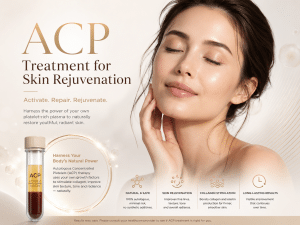
ACP, or autologous conditioned plasma, is a regenerative treatment created from a small sample of your own blood. After processing, the concentrated plasma is used to support the skin’s natural repair response. In aesthetic medicine, ACP is often chosen by patients who want a more refined improvement in tone, texture, radiance, and elasticity rather than a dramatic change in facial shape.
What ACP treatment for skin rejuvenation actually does
The appeal of ACP lies in how it works with your skin rather than against it. The plasma contains growth factors that help stimulate tissue repair and support collagen production. That makes it a strong option for skin that feels dull, thin, crepey, or simply less vibrant than it used to.
This treatment is commonly used to improve fine lines, uneven texture, and mild acne scarring while also giving the skin a more rested appearance. Many patients notice that their skin looks brighter and smoother first, with firmness and overall quality improving more gradually over the following weeks.
The best way to think about ACP is not as a quick fix, but as a treatment that helps the skin behave like healthier skin again. Results can look subtle at first because they develop naturally. For many people, that is exactly the point.
Who is a good candidate for ACP treatment for skin rejuvenation?
ACP suits a wide range of patients, especially those who want natural-looking skin improvement with minimal interruption to daily life. It can be a good fit for adults noticing early signs of aging, post-acne texture changes, mild skin laxity, or a loss of glow that topical products are no longer addressing.
It is also popular with patients who are cautious about injectables and want a treatment that feels more regenerative than corrective. Because ACP is derived from your own blood, it may appeal to those looking for an approach that is highly personalized.
That said, suitability is never one-size-fits-all. If your main concern is deeper folds, significant volume loss, or more advanced skin laxity, ACP alone may not deliver the level of correction you want. In those cases, a customized treatment plan may combine regenerative therapies with other options to achieve a more balanced result.
What concerns can ACP help improve?
ACP is most effective when the goal is better skin quality. That includes fine lines around the eyes or mouth, rough or uneven texture, dullness, enlarged pores, and mild scarring. It is also frequently used in delicate areas where patients want improvement without heaviness, such as under the eyes.
The under-eye area is a good example of where expectations matter. ACP can help the skin look smoother and more refreshed, especially if crepiness or a tired appearance is the issue. If dark circles are caused by hollowing, pigment, or anatomy, the improvement may be partial rather than complete. A skilled consultation is what separates a promising treatment from the wrong one.
What to expect during treatment
The appointment begins with a consultation and assessment of your skin concerns, medical history, and treatment goals. A small blood sample is taken and processed to isolate the plasma. Once prepared, the ACP is applied or injected into the treatment area depending on the protocol and the condition being treated.
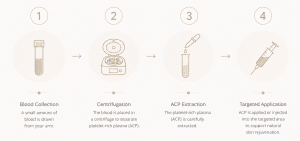
Some clinics combine ACP with microneedling to enhance absorption and stimulate additional collagen remodeling. Others use targeted injections for areas such as the under-eyes or specific lines. The right method depends on your skin, your tolerance for downtime, and the kind of result you are aiming for.
Most patients find the treatment very manageable. A numbing cream may be used to improve comfort, especially when microneedling is involved. The full appointment is usually straightforward, which makes it a practical option for busy professionals who want clinically guided treatment without a lengthy recovery.
Downtime, recovery, and when results appear
One reason ACP remains so popular is that downtime is generally limited. After treatment, you may notice redness, mild swelling, sensitivity, or pinpoint marks if microneedling or injections were used. These effects usually settle within a few days, though this can vary depending on the treatment depth and your skin’s reactivity.
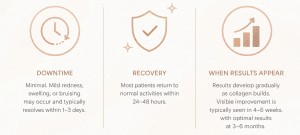
Results are not instant in the way a filler treatment can be. ACP works by encouraging a regenerative response, so improvement tends to appear gradually. Many patients start to notice a healthier glow and smoother texture within a few weeks, with continued changes over the next month or two as collagen support develops.
This slower timeline is often a benefit for patients who prefer discreet enhancement. Your skin tends to look better, not obviously treated.
How many sessions do you need?
For most patients, ACP works best as a series rather than a single appointment. A course of treatments may be recommended depending on your skin condition, age, and goals. If your concerns are mild and you are mainly looking for maintenance, fewer sessions may be enough. If you are treating more visible texture issues or early laxity, a structured plan usually gives better value and more consistent improvement.
Maintenance treatments can help extend results over time. Skin continues to age, and lifestyle factors like sun exposure, stress, and sleep quality still matter. Even the most advanced regenerative treatment performs best when it is part of a broader skin health strategy.
ACP vs PRP – is there a difference?
Patients often hear ACP and PRP mentioned together, and that can be confusing. Both are blood-derived regenerative treatments used in aesthetics, and both are designed to support tissue repair through growth factors. The difference usually comes down to preparation method, concentration profile, and the specific system being used.
In practice, what matters more than terminology is treatment quality. The skill of the provider, the way the plasma is prepared, and how the treatment is matched to your skin concern all influence the outcome. A polished result is rarely about the acronym alone.
Why provider expertise matters
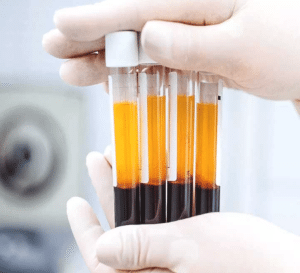 ACP may be minimally invasive, but it is still a medical aesthetic treatment. Good outcomes depend on proper patient selection, sterile technique, and a precise understanding of skin anatomy. That is especially true in areas like the under-eyes, where the skin is thin and treatment needs to be approached conservatively.
An experienced clinic will also guide you honestly on what ACP can and cannot achieve. That level of transparency matters. Some patients are ideal candidates for regenerative skin treatment. Others may benefit from combining ACP with technologies that address laxity, pigmentation, or surface damage more directly.
At a clinic such as Sky Beauty Cosmetic Clinic, this kind of consultation-led approach is part of what gives patients confidence. The goal is not to fit everyone into the same treatment. It is to create a personalized plan that respects both safety and aesthetics.
Is ACP worth it?
For the right patient, ACP can be an excellent investment in skin quality. It is not the treatment for someone wanting instant transformation before a weekend event. It is the treatment for someone who wants fresher, smoother, healthier-looking skin that still looks like their own.
That distinction matters. In modern aesthetics, many patients are moving away from obvious correction and toward treatments that support long-term skin quality. ACP fits that shift well. It offers a natural, clinically grounded option for people who want to look more rested, more radiant, and subtly more youthful without changing the character of their face.
If you are considering ACP, the smartest next step is a professional assessment of your skin, your goals, and whether regenerative treatment alone is enough to get you where you want to go. The best aesthetic results usually start there – with a plan that is tailored, realistic, and designed around you.