

Some treatments give you a temporary glow. Others work deeper, encouraging your skin to behave more like healthier, younger skin again. That is why interest in prp facial benefits keeps growing among patients who want visible rejuvenation without surgery or an overdone result.
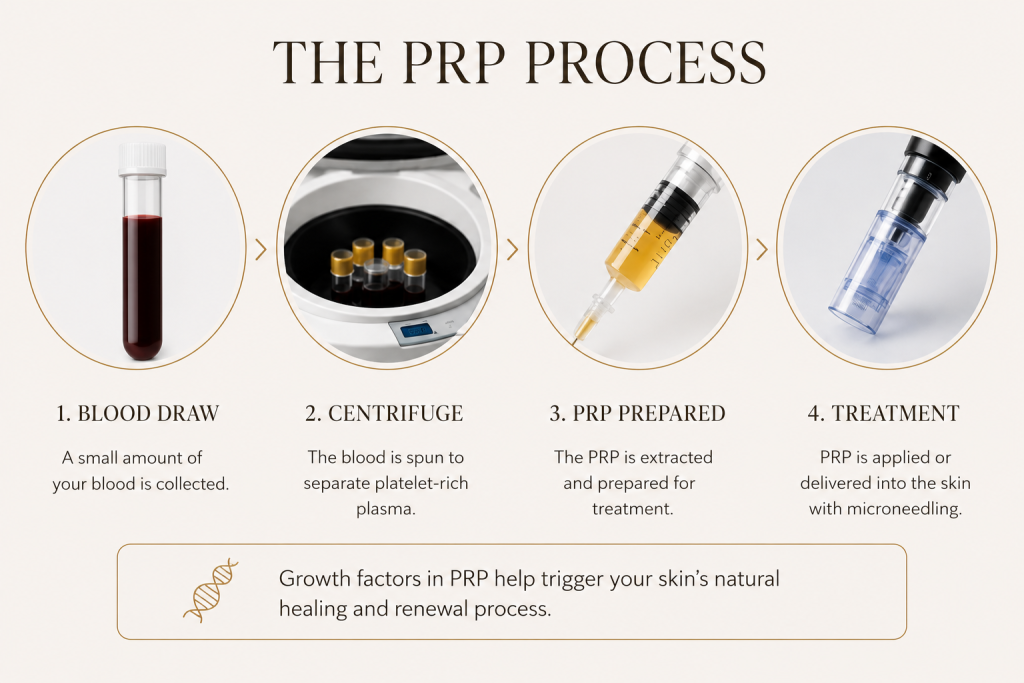
A PRP facial uses platelet-rich plasma taken from your own blood and applied or delivered into the skin after controlled micro-injury, most often with microneedling. Platelets contain growth factors that support tissue repair, collagen production, and overall skin renewal. In a clinical setting, that translates to skin that can look smoother, fresher, firmer, and more even over time.
For many patients, the appeal is simple. It is a treatment built around your body’s own regenerative response, with little downtime compared with more aggressive resurfacing options. It can suit busy professionals, first-time aesthetic patients, and experienced clients who want skin quality improvements rather than a dramatic change in facial shape.
What are the real PRP facial benefits?
The strongest PRP facial benefits are usually tied to overall skin quality. This is not a treatment that freezes movement or creates instant volume. Instead, it supports gradual improvement in tone, texture, and radiance.
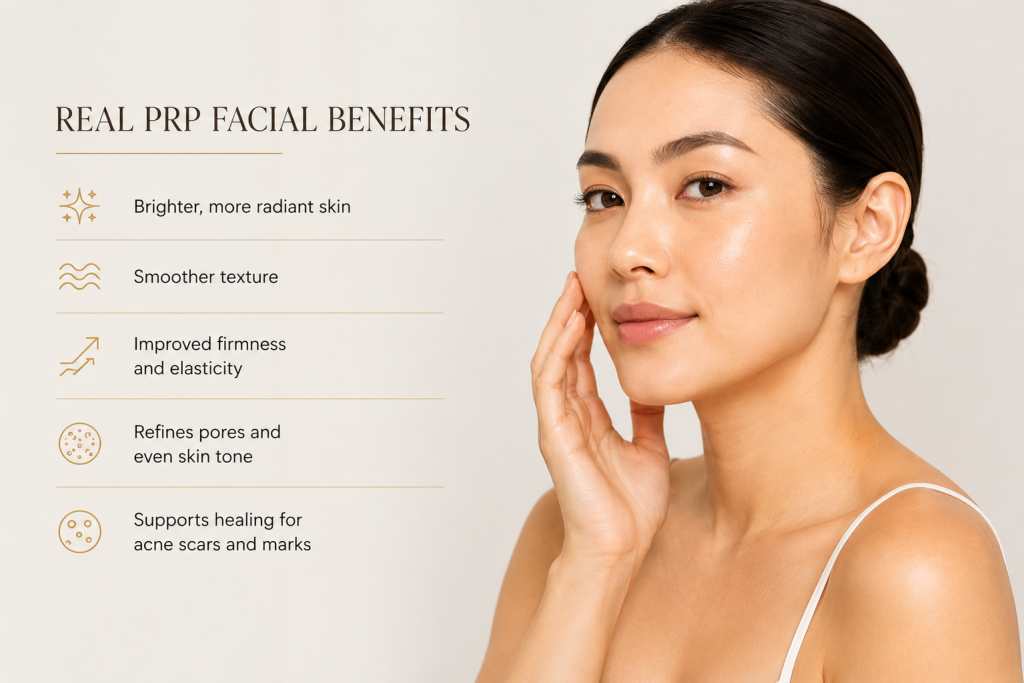
One of the first changes many patients notice is a healthier surfaceappearance. Skin often looks brighter and more rested as healing progresses. That can be especially appealing if your complexion has started to look dull, tired, or uneven from stress, sun exposure, or the natural slowing of cell turnover with age.
Texture is another major reason people choose PRP facials. Fine roughness, early crepiness, and mild acne scarring may soften as collagen remodeling develops over the following weeks. Results are usually not overnight, but they can feel more refined and natural because the improvement comes from the skin rebuilding itself.
PRP can also support a firmer look. When collagen and elastin production are stimulated, the skin may appear a little tighter and more resilient. This matters most for patients who feel their skin has become thinner or less bouncy, especially around the cheeks, under-eyes, and mouth.
For some patients, a PRP facial can help with the look of enlarged pores and post-acne marks as well. These concerns often respond well when skin regeneration is encouraged in a controlled, medically supervised way. The degree of improvement depends on the depth of the issue, your skin condition before treatment, and whether a series is recommended.
How PRP improves skin quality over time
A good PRP facial is not just about what happens on the treatment bed. The real value comes from the repair response that follows. Platelet-rich plasma contains concentrated growth factors that signal the skin to heal and regenerate. When paired with microneedling, those signals are delivered exactly where the skin can use them most.
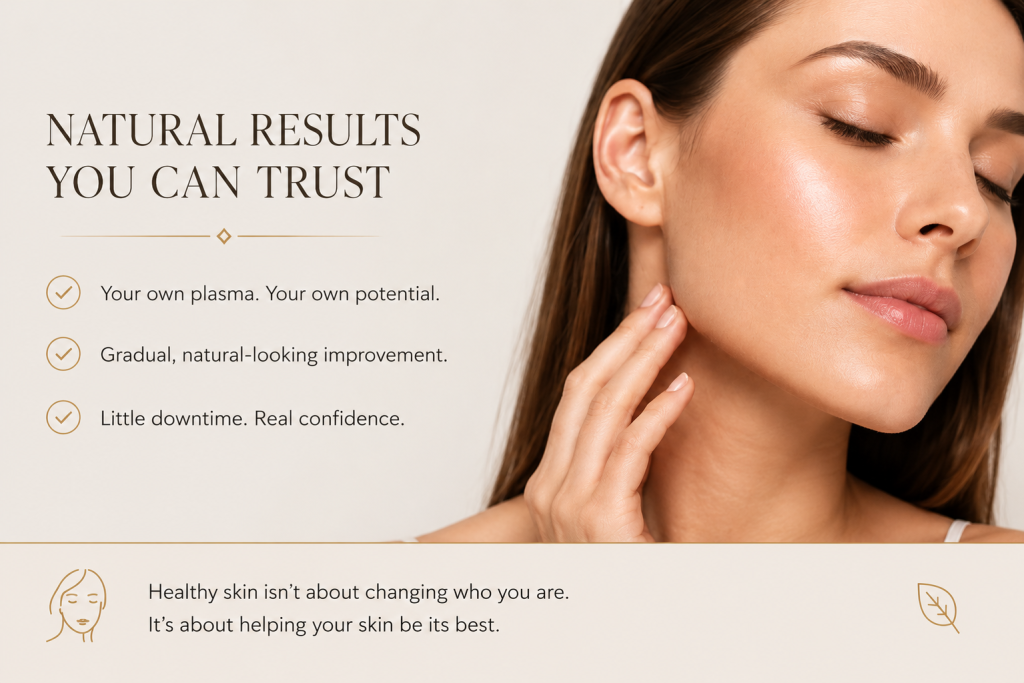
That process can lead to increased collagen formation, better skin texture, and a fresher overall appearance. Because collagen rebuilding takes time, the results usually unfold gradually. Many patients notice an initial glow within days, then more meaningful changes over the next several weeks.
This slower build is often a benefit in itself. The outcome tends to look believable. Friends may say you look refreshed or well-rested without being able to pinpoint a specific cosmetic procedure.
PRP facial benefits for different skin concerns
Not every patient comes in with the same goal, and that matters when deciding whether PRP is the right fit.
If your main concern is early aging, PRP can be an excellent option for supporting skin firmness and softening fine lines. It works well for patients who are not ready for more intensive procedures but want more than a standard facial can offer.
If your concern is acne scarring or textural irregularity, PRP can help by enhancing the regenerative effect of microneedling. It may improve the look of shallow scars and uneven skin, although deeper scars often need a broader treatment plan.
If your skin simply looks tired, dehydrated, or dull, PRP can restore a fresher-looking finish. This is one reason it remains popular among patients preparing for events, professional milestones, or periods when they want to look polished without obvious intervention.
If pigmentation is your main issue, expectations should be more measured. PRP may support overall skin health and help some post-inflammatory discoloration look better over time, but it is usually not the primary treatment for significant melasma or sun pigmentation. In those cases, a clinician may recommend combining therapies or choosing a different approach first.
Who tends to be a good candidate?
Patients who do best with PRP facials are usually looking for natural-looking rejuvenation, not instant transformation. They want their skin to appear smoother, clearer, and more luminous, while still looking like themselves.
It can be a strong choice for adults with mild to moderate signs of aging, uneven texture, enlarged pores, early laxity, or lingering post-acne marks. It also appeals to patients who prefer a treatment that uses their own biological material rather than synthetic ingredients.
That said, suitability is never one-size-fits-all. Active acne breakouts, certain blood conditions, infection, pregnancy considerations, and some medications may affect whether treatment is advised. A proper consultation matters because the safest plan is always based on your skin, medical history, and goals.
What treatment day usually looks like
A PRP facial begins with a blood draw, followed by processing the sample to separate platelet-rich plasma. The skin is then cleansed and numbed if needed. After that, microneedling is performed and the PRP is applied or introduced into the treated skin.
Most patients describe the experience as manageable rather than relaxing. You can expect some redness afterward, similar to a sunburn, along with mild sensitivity for a day or two. Depending on the intensity of treatment, there may also be slight swelling or pinpoint marks that settle quickly.
Downtime is one reason many patients find the treatment easy to fit into a full schedule. You may need to pause active skincare and makeup for a short period, but most people return to routine activities quickly. Clinical aftercare instructions should always be followed closely to protect results and support proper healing.
How many sessions do you need?
This depends on your starting point and your standard for results. Some patients are pleased after one session, especially when the goal is a fresh glow and mild rejuvenation. Others benefit more from a series, often spaced several weeks apart, to build collagen and improve texture more noticeably.
Maintenance may also be recommended. Skin continues to age, and collagen support is not permanent. A thoughtful treatment schedule helps preserve the improvements while keeping the result subtle and consistent.
This is where expert assessment makes a difference. A personalized plan is more valuable than a generic package because the right number of sessions depends on whether your concern is dullness, fine lines, pores, or acne scarring.
PRP facial benefits compared with other treatments
PRP facials sit in a useful middle ground. They are more advanced than a standard spa facial, yet less invasive than deeper resurfacing treatments. For patients who want meaningful skin improvement without surgery, that balance can be very attractive.
Compared with injectables, PRP focuses less on shape and more on skin quality. It does not replace wrinkle relaxers or dermal fillers when volume loss or expression lines are the main concern. It can, however, complement those treatments beautifully by improving the skin itself.
Compared with stronger lasers or aggressive peels, PRP may involve less downtime and lower risk for the right candidate, though results can also be more gradual. It is not necessarily better or worse. It is simply suited to a different goal.
Choosing PRP with the right provider
Technique, sterility, and treatment planning all influence the outcome. A PRP facial may sound straightforward, but clinical standards matter. So does the ability to assess whether PRP is enough on its own or whether your skin would respond better to a combined plan.
At a medically led aesthetics clinic such as Sky Beauty Cosmetic Clinic, the advantage is not only access to treatment. It is access to judgment. That means understanding your skin concerns, setting realistic expectations, and recommending a plan that aligns with your features, schedule, and comfort level.
If you are drawn to refined, natural-looking skin rejuvenation, PRP can be a very smart place to start. The best results are rarely about doing the most. They come from choosing the treatment that fits your skin well, then giving it time to do what healthy skin is designed to do.