

Why Does Pigmentation Become More Noticeable With Age?
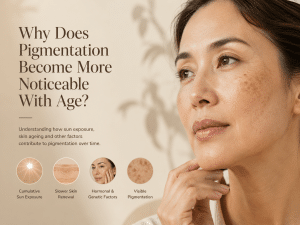
Many people notice that their skin tone changes gradually over the years. Brown spots that were once barely visible may become darker, freckles may appear more prominent, and the complexion may no longer look as even as it once did. While these changes are often associated with ageing, the process is usually influenced by several factors rather than age alone.
People searching for Pigmentation Sydney may learn that pigmentation visible in their 40s, 50s or 60s can be associated with years of accumulated sun exposure combined with the skin’s natural ageing process.
At Sky Beauty Cosmetic Clinic Sydney, age-related pigmentation is one of the skin concerns discussed during consultations.
Understanding why pigmentation becomes more noticeable over time can help people make informed decisions before exploring cosmetic treatment options.
What Is Pigmentation?
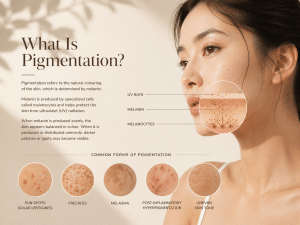
Pigmentation refers to the natural colouring of the skin, which is determined by melanin. Melanin is produced by specialised cells called melanocytes and is involved in the skin’s response to ultraviolet (UV) exposure.
When melanocytes produce melanin evenly, the skin appears balanced in colour. However, when melanin is produced or distributed unevenly, darker patches or spots may become visible.
Common forms of pigmentation include:
- Sun spots (solar lentigines)
- Freckles
- Melasma
- Post-inflammatory hyperpigmentation
- General uneven skin tone
Although they all involve increased pigment, each type develops differently.
Why Does Age Make Pigmentation More Visible?
Ageing itself does not directly cause pigmentation, but it changes the way the skin responds to years of environmental exposure.
As we get older, the skin’s natural renewal process gradually slows. Cells are replaced less efficiently, collagen production declines and the skin becomes thinner. At the same time, the cumulative effects of decades of UV exposure become more apparent.
Pigment that developed gradually over many years may become increasingly visible, particularly on areas that receive regular sun exposure.
For many people, pigmentation seems to “appear suddenly”, when in reality it has been developing slowly over a long period.
What Role Does Sun Exposure Play?
Sydney’s outdoor lifestyle means many people accumulate significant UV exposure throughout their lives.
Even routine activities such as driving, walking outdoors or sitting near windows contribute to cumulative UV exposure over time.
Repeated UV exposure can influence melanocyte activity. Over time, pigmentation may become more noticeable in some individuals.
This is why age-related pigmentation is commonly seen on the:
- Face
- Forehead
- Cheeks
- Hands
- Neck
- Décolletage
These areas receive the greatest lifetime exposure to sunlight.
Are Age Spots the Same as Freckles?
Not always.
Freckles usually develop earlier in life and often become darker after sun exposure before fading during winter.
Age spots, also known as solar lentigines, generally develop later in adulthood after years of cumulative UV exposure. They often appear as well-defined brown spots that remain visible throughout the year.
Although both are associated with sunlight, they represent different types of pigmentation.
Can Other Factors Contribute?
Yes.
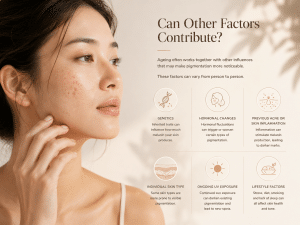
Ageing often works together with other influences that may make pigmentation more noticeable.
These can include:
- Genetics
- Hormonal changes
- Previous acne or skin inflammation
- Individual skin type
- Lifestyle factors
- Ongoing UV exposure
Because several factors often contribute at the same time, two people of the same age may have very different pigmentation patterns.
Why Is a Personalised Assessment Important?
Not every dark spot develops for the same reason.
During a cosmetic consultation, practitioners may assess:
- Pigmentation pattern
- Skin tone and texture
- Medical history
- Previous cosmetic procedures
- Sun exposure habits
- Overall skin quality
A personalised assessment helps identify possible contributing factors and supports an informed discussion about available cosmetic options for the individual.
How Can Sky Beauty Cosmetic Clinic Help?
At Sky Beauty Cosmetic Clinic Sydney, every pigmentation consultation begins with understanding the individual rather than focusing on a single treatment.
With clinics located in Sydney CBD (World Square) and Macquarie Park (Macquarie Centre), our experienced team reviews each person’s skin concerns, pigmentation pattern and overall skin condition before discussing available cosmetic options.
Our approach focuses on education, comprehensive assessment and personalised skin consultations to help clients better understand their skin.
Final Thoughts
Pigmentation often becomes more noticeable with age because of the combined effects of natural skin ageing and years of cumulative UV exposure. Genetics, hormones, skin type and lifestyle may also influence how pigmentation develops over time.
If you have noticed increasing pigmentation or uneven skin tone as you get older, a personalised consultation can help explore possible factors influencing your skin and discuss cosmetic options available for your individual concerns.