

What Causes Loss of Skin Elasticity Over Time?
Skin elasticity is one of the most important factors that determines how youthful, healthy, and resilient the skin appears. When skin is firm and elastic, it can stretch and return to its original shape with ease. Over time, however, many people notice their skin becoming less firm, less supple, and more prone to sagging. While this is a natural part of the ageing process, understanding the causes of skin elasticity loss can help individuals take proactive steps to support long-term skin health.
Understanding Skin Elasticity
Skin elasticity refers to the skin’s ability to bounce back after being stretched or moved. This function relies primarily on two essential proteins found within the skin: collagen and elastin.
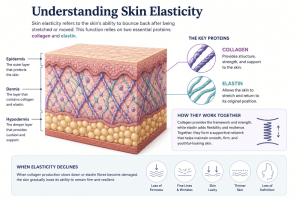
Collagen provides structure, strength, and support, while elastin allows the skin to stretch and return to its original position. Together, these proteins form a supportive framework that helps maintain smooth, firm, and youthful-looking skin.
When the production of collagen and elastin slows down or existing fibres become damaged, the skin gradually loses its ability to remain firm and resilient.
Natural Ageing and Collagen Decline
One of the most common reasons for reduced skin elasticity is the natural ageing process. Beginning in early adulthood, collagen production gradually decreases each year. At the same time, elastin fibres become weaker and less organised.
As these structural components decline, the skin may begin to show visible signs of ageing, including:
- Fine lines and wrinkles
- Skin laxity
- Reduced firmness
- Thinner skin
- Loss of facial definition
These changes occur slowly over time and affect everyone to varying degrees. Genetics can influence how quickly these changes appear, but ageing remains one of the primary factors contributing to reduced skin elasticity.
The Impact of Sun Exposure
Ultraviolet (UV) radiation is one of the most significant external factors responsible for premature skin ageing. Prolonged exposure to the sun can damage collagen and elastin fibres within the skin, accelerating the ageing process.
This damage, often referred to as photoageing, can result in:
- Increased wrinkles
- Uneven skin texture
- Pigmentation concerns
- Reduced elasticity
- Premature skin laxity
Because UV exposure accumulates over time, daily sun protection is considered one of the most effective ways to help preserve skin quality and elasticity.
Environmental Stress and Oxidative Damage
Modern lifestyles expose the skin to numerous environmental stressors. Air pollution, cigarette smoke, and other environmental factors can generate free radicals, which contribute to oxidative stress within the skin.
Oxidative stress can damage healthy skin cells and accelerate the breakdown of collagen and elastin. Over time, this may contribute to visible signs of ageing and reduced skin resilience.
Protecting the skin from environmental damage and maintaining a healthy lifestyle can help minimise these effects and support overall skin health.
Dehydration and Skin Quality
Hydration plays a crucial role in maintaining healthy skin function. When the skin lacks moisture, it can appear dull, rough, and less supple.
Although hydration alone cannot prevent age-related collagen loss, well-hydrated skin often appears smoother and healthier. Proper hydration supports the skin barrier, improves comfort, and contributes to overall skin quality.
Many people notice that dehydrated skin can make fine lines appear more prominent, which is why maintaining adequate hydration remains an important part of a comprehensive skincare routine.
Lifestyle Factors That Influence Skin Elasticity
Several everyday habits can affect how the skin ages over time. Factors that may contribute to reduced skin elasticity include:
- Smoking
- Poor nutrition
- Chronic stress
- Inadequate sleep
- Excessive alcohol consumption
- Lack of sun protection
Healthy lifestyle choices support the body’s natural repair processes and may help maintain healthier skin over the long term. Consistent skincare, balanced nutrition, and quality sleep all play important roles in supporting skin health.
Hormonal Changes and Ageing Skin
Hormones influence many aspects of skin function, including hydration, collagen production, and skin thickness. As hormone levels change throughout life, the skin may become thinner, drier, and less elastic.
These changes are often particularly noticeable during significant hormonal transitions. Reduced collagen production associated with hormonal changes can contribute to increased skin laxity and visible signs of ageing.
Understanding the role of hormones can help explain why some individuals experience more noticeable changes in skin quality during certain stages of life.
Why Skin Elasticity Matters
Skin elasticity affects more than just appearance. Healthy, resilient skin is better able to withstand daily environmental stress and maintain a smooth, firm texture.
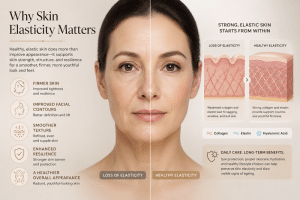
Good skin elasticity contributes to:
- Firmer skin
- Improved facial contours
- Smoother texture
- Enhanced resilience
- A healthier overall appearance
As elasticity declines, the skin may become more susceptible to sagging and other visible signs of ageing.
Supporting Long-Term Skin Health
While ageing is inevitable, there are many ways to support healthier skin over time. Consistent sun protection, proper skincare, hydration, and healthy lifestyle habits can all contribute to maintaining skin quality.
In addition, many individuals are exploring modern skin rejuvenation approaches that focus on supporting collagen production, tissue repair, and overall skin health. These regenerative treatments are becoming increasingly popular among people seeking natural-looking improvements and long-term skin quality enhancement.
Speak With the Experts at Sky Clinic
Loss of skin elasticity is a natural part of the ageing process, but understanding the factors behind these changes can help you make informed decisions about your skin health.
If you are noticing reduced firmness, skin laxity, fine lines, or changes in skin texture, a personalised consultation can help identify the most suitable options for your concerns.
At Sky Clinic, we specialise in advanced skin rejuvenation and regenerative aesthetic treatments designed to support healthier, more resilient skin and natural-looking results. Our experienced team takes a personalised approach to every treatment plan, ensuring recommendations are tailored to your unique skin condition and goals.
Book a consultation with Sky Clinic today to learn more about your options and discover a customised approach to maintaining healthy, youthful-looking skin.