

The Growing Demand for Regenerative Aesthetic Treatments
The field of aesthetic medicine is evolving rapidly. While traditional cosmetic treatments have long focused on correcting visible signs of ageing, a new approach is gaining momentum—regenerative aesthetics.

Rather than simply masking concerns or restoring lost volume, regenerative aesthetic treatments aim to support the body’s natural repair processes and improve overall skin health. As patients increasingly seek natural-looking results and long-term improvements, regenerative treatments are becoming one of the fastest-growing areas in modern aesthetics.
What Are Regenerative Aesthetic Treatments?
Regenerative aesthetic treatments focus on enhancing the skin’s ability to repair, renew, and maintain itself.
Unlike treatments designed solely to fill, tighten, or alter facial features, regenerative approaches work by supporting biological processes that contribute to healthier skin.
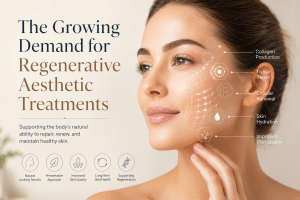
These treatments may help promote:
- Collagen production
- Tissue repair
- Skin hydration
- Cellular renewal
- Improved skin quality
- Enhanced skin resilience
The goal is not simply to change appearance but to improve the condition of the skin itself.
Why Patient Preferences Are Changing
Today’s aesthetic patients are often looking for subtle, natural-looking outcomes rather than dramatic transformations.
Many individuals want to:
- Look refreshed rather than different
- Maintain healthy skin over time
- Address early signs of ageing
- Improve skin quality
- Support long-term skin health
As a result, treatments that work with the body’s natural regenerative mechanisms are attracting increasing attention.
The Shift From Correction to Prevention
Historically, aesthetic medicine focused heavily on correcting visible ageing after it occurred.
A growing number of patients are now taking a preventative approach.
Rather than waiting for significant skin changes to develop, many seek treatments that help maintain skin quality and support healthy ageing.
This preventative mindset has contributed significantly to the popularity of regenerative aesthetic treatments among younger patient groups as well as those seeking long-term skin maintenance.
Why Skin Quality Has Become a Priority
Skin quality is increasingly recognised as one of the most important factors influencing overall appearance.
Characteristics such as:
- Smooth texture
- Even skin tone
- Hydration
- Elasticity
- Firmness
- Radiance
often contribute more to a youthful appearance than facial volume alone.
This has encouraged both practitioners and patients to focus on treatments that improve skin quality at a deeper level.
Advances in Aesthetic Science
Recent developments in aesthetic medicine have expanded the range of regenerative treatment options available.
Advances in understanding skin biology, wound healing, tissue repair, and collagen production have helped practitioners move beyond purely cosmetic interventions.
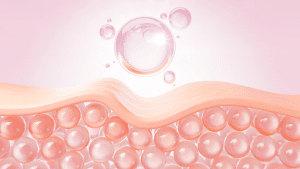
Modern regenerative treatments are designed to support the body’s natural healing responses while encouraging healthier skin function over time.
These innovations are helping reshape the future of non-surgical facial rejuvenation.
The Appeal of Natural-Looking Results
One of the key reasons regenerative treatments continue to gain popularity is their ability to support gradual and natural-looking improvements.
Many patients prefer outcomes that:
- Preserve facial individuality
- Avoid an overtreated appearance
- Enhance skin health
- Improve confidence
- Deliver subtle yet noticeable improvements
This preference aligns closely with the philosophy of regenerative aesthetics, which focuses on supporting the skin rather than dramatically altering facial features.
The Role of Collagen in Skin Ageing
Collagen is a critical structural protein responsible for maintaining skin firmness and strength.
As collagen production naturally declines with age, the skin may become:
- Thinner
- Less elastic
- More prone to fine lines
- Less resilient
Many regenerative treatments are designed to support collagen-related processes, making collagen stimulation a central concept in modern aesthetic medicine.
Who Is Driving the Growth of Regenerative Aesthetics?
Interest in regenerative treatments is growing across a broad range of patient groups.
These include:
- Individuals seeking preventative skincare strategies
- Patients interested in natural-looking results
- People focused on long-term skin health
- Those looking for alternatives to traditional cosmetic treatments
- Individuals concerned about skin quality rather than volume loss alone
This diverse demand is helping regenerative aesthetics become a mainstream component of contemporary aesthetic practice.
The Future of Aesthetic Medicine
Regenerative aesthetics represents a significant shift in how practitioners approach facial rejuvenation and skin health.
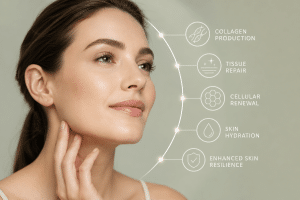
As research continues to advance, treatments that support the body’s own regenerative capabilities are expected to play an increasingly important role in aesthetic medicine.
Rather than focusing solely on correcting visible signs of ageing, the future of aesthetics is likely to emphasise prevention, skin quality, tissue health, and long-term regeneration.
For many patients, this approach offers a more holistic path to achieving healthy, resilient, and naturally youthful-looking skin.
Frequently Asked Questions
What are regenerative aesthetic treatments?
Regenerative aesthetic treatments are designed to support the body’s natural repair and renewal processes while improving skin quality and overall skin health.
Why are regenerative treatments becoming more popular?
Patients increasingly prefer natural-looking results, preventative care, and treatments that focus on long-term skin health rather than temporary cosmetic correction.
How do regenerative treatments differ from traditional aesthetic treatments?
Traditional treatments often focus on correcting visible concerns, while regenerative treatments aim to support biological processes involved in skin repair and maintenance.
Are regenerative treatments suitable for younger patients?
Many younger individuals choose regenerative treatments as part of a preventative approach to maintaining skin quality and supporting healthy ageing.