

How Polynucleotides Support Skin Regeneration
As aesthetic medicine continues to evolve, more patients are looking for treatments that do more than temporarily improve appearance. Regenerative aesthetics focuses on supporting the skin’s natural repair processes, and one of the most discussed innovations in this field is polynucleotide-based treatment.
What Are Polynucleotides?
Polynucleotides are naturally occurring molecules composed of nucleotide chains, which are fundamental building blocks found in DNA. In aesthetic medicine, purified polynucleotides are used to support tissue repair and improve overall skin quality.
Rather than adding volume or altering facial contours, polynucleotides work by creating an environment that encourages the skin’s own regenerative mechanisms.
How Skin Regeneration Works
The skin continuously repairs itself in response to environmental stress, ageing, and daily wear. However, this natural process slows over time, leading to reduced elasticity, dehydration, uneven texture, and the appearance of fine lines.
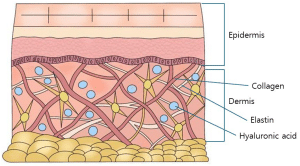
Skin regeneration involves several biological processes, including:
- Cellular repair
- Collagen production
- Tissue remodeling
- Hydration balance
- Protection against oxidative stress
Supporting these functions can help improve skin quality and resilience over time.
How Polynucleotides Support the Regenerative Process
Polynucleotides are believed to support skin regeneration through multiple mechanisms.
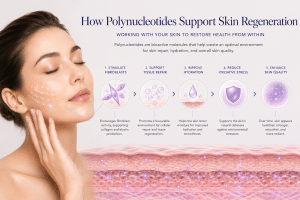
Encouraging Fibroblast Activity
Fibroblasts are cells responsible for producing collagen and elastin, two proteins that contribute to skin firmness and elasticity. Polynucleotides may help create conditions that support fibroblast function, which can contribute to healthier-looking skin.
Supporting Tissue Repair
Regenerative treatments aim to enhance the skin’s natural healing response. Polynucleotides may assist in tissue recovery by promoting a more favorable environment for cellular repair and regeneration.
Improving Hydration
Hydration plays an important role in maintaining skin health. Polynucleotides have water-binding properties that can help support moisture retention within the skin, contributing to a smoother and more refreshed appearance.
Reducing Oxidative Stress
Environmental factors such as UV exposure, pollution, and lifestyle habits can contribute to oxidative stress, which accelerates skin ageing. Research suggests that polynucleotides may help support the skin’s defense mechanisms against these stressors.
Why Regenerative Treatments Are Gaining Attention
Regenerative approaches are an area of ongoing interest within aesthetic medicine because they focus on supporting biological processes involved in skin function.
People interested in regenerative aesthetics may wish to learn more about approaches that aim to:
- support overall skin quality
- Loss of skin elasticity
- complement healthy skin function
- encourage natural-looking outcomes
- fit within individual treatment plans
Who May Consider Polynucleotide Treatments?
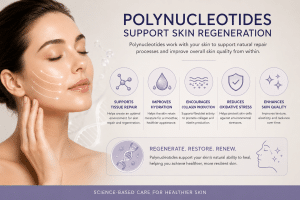
Practitioners may consider regenerative skin treatments for individuals concerned about:
- Early signs of skin ageing
- Loss of skin elasticity
- Dehydrated or dull skin
- Uneven skin texture
- General skin quality concerns
Suitability depends on individual circumstances and should always be assessed through a professional consultation.
The Future of Regenerative Aesthetics
Regenerative medicine is becoming an increasingly important part of modern aesthetic practice. As research continues to advance, treatments that support the skin’s natural repair mechanisms are expected to play a growing role in non-surgical skin rejuvenation.
Polynucleotides represent one example of this shift toward treatments that focus on skin health, tissue regeneration, and natural-looking outcomes rather than simply addressing surface-level concerns.
Frequently Asked Questions
Do polynucleotides add volume to the face?
Polynucleotide treatments are generally used to support skin quality and regeneration rather than to provide significant volume enhancement.
How long does skin regeneration take?
The skin’s regenerative process occurs gradually. Individual experiences and treatment plans may vary.
Can polynucleotides be combined with other aesthetic treatments?
Many practitioners incorporate regenerative treatments into broader treatment plans, depending on a patient’s goals and clinical assessment.
Why are regenerative treatments becoming more popular?
Many patients are seeking approaches that focus on skin health, natural-looking outcomes, and long-term skin quality improvements.