

Understanding the Role of Collagen in Facial Ageing
When people think about facial ageing, wrinkles are often the first thing that come to mind. However, many of the visible changes associated with ageing begin long before wrinkles become noticeable. Beneath the skin, gradual changes occur within the structural framework of the face, and one of the most important factors involved is collagen.
Collagen plays a critical role in maintaining skin quality, facial support, and overall facial structure. As collagen production naturally declines over time, the face undergoes a series of changes that can affect contours, volume, firmness, and facial balance.
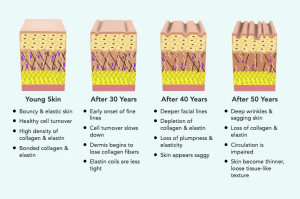
Understanding the role of collagen in facial ageing helps explain why the face changes over the years and why collagen has become a major focus in modern facial rejuvenation discussions.
What Is Collagen?
Collagen is the most abundant structural protein in the human body.
It is found throughout:
- Skin
- Muscles
- Ligaments
- Tendons
- Connective tissues
- Bone
Within the face, collagen acts as a supportive framework that helps maintain firmness, elasticity, and structural integrity.
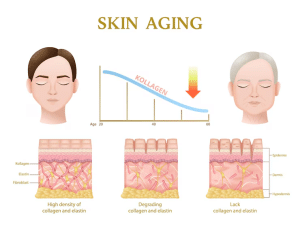
Healthy collagen levels contribute to smooth skin, well-defined facial contours, and resilient tissues.
Without adequate collagen, the skin and underlying structures become less capable of maintaining their youthful appearance.
Why Is Collagen Important for the Face?
Collagen serves multiple functions within facial tissues.
It helps provide:
- Structural support
- Skin firmness
- Tissue strength
- Facial contour stability
- Elasticity and resilience
Because collagen is present throughout the skin and connective tissues, changes in collagen levels can influence both surface appearance and deeper facial structures.
This is why collagen decline affects much more than wrinkles alone.
When Does Collagen Loss Begin?
Collagen production naturally decreases with age.
Research suggests that collagen levels begin declining from the mid-twenties onward, with gradual reductions occurring each year.
Although the rate varies between individuals, most people experience ongoing collagen loss throughout adulthood.
Initially, these changes may not be noticeable. Over time, however, reduced collagen production contributes to visible signs of facial ageing.
How Collagen Loss Affects Skin Quality
One of the earliest effects of collagen decline is a change in skin quality.
As collagen levels decrease, the skin may become:
- Thinner
- Less elastic
- Less firm
- More fragile
- Less resilient
These changes can contribute to the development of fine lines and wrinkles.
However, skin ageing represents only one aspect of collagen loss.
Collagen and Facial Support
Collagen plays a crucial role in supporting facial structures.
It helps maintain the integrity of connective tissues that support facial fat compartments, ligaments, and skin.
As collagen decreases, support structures gradually weaken.
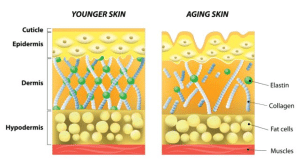
This can contribute to:
- Tissue descent
- Facial contour changes
- Reduced structural support
- Softening of facial definition
For many individuals, these structural changes become more noticeable than wrinkles themselves.
Why Facial Contours Change with Age
Many patients notice that their face appears different even when they do not have significant wrinkles.
This often occurs because collagen decline affects facial shape and support.
Common changes include:
- Flatter cheeks
- Less defined jawlines
- Under-eye hollowing
- Reduced facial projection
- Lower-face heaviness
These changes are frequently related to declining structural support rather than simple skin ageing.
The Relationship Between Collagen and Volume Loss
Collagen and facial volume are closely connected.
Although volume loss is often associated with changes in fat compartments, collagen decline also contributes to reductions in tissue support and fullness.
As collagen decreases, tissues may appear:
- Less dense
- Less supported
- Less youthful
This helps explain why facial ageing often involves both volume changes and structural changes occurring simultaneously.
Collagen and Skin Laxity
Skin laxity is another common consequence of collagen decline.
Healthy collagen helps maintain skin firmness and resistance to gravity.
As collagen production decreases, the skin becomes less capable of supporting itself.
This can contribute to:
- Loose skin
- Sagging tissues
- Reduced jawline definition
- Lower-face heaviness
- Neck laxity
Because collagen influences both skin quality and structural support, its decline affects multiple aspects of facial ageing.
Factors That Accelerate Collagen Loss
While collagen decline is a natural part of ageing, certain factors may accelerate the process.
These include:
Sun Exposure
Ultraviolet radiation is one of the leading causes of premature collagen breakdown.
Smoking
Smoking can impair collagen production and contribute to accelerated skin ageing.
Poor Nutrition
Nutritional deficiencies may affect the body’s ability to maintain healthy collagen levels.
Chronic Stress
Long-term stress can influence various biological processes involved in skin health and ageing.
Environmental Factors
Pollution and other environmental stressors may also contribute to collagen degradation.
Why Collagen Has Become a Major Focus in Facial Rejuvenation
As understanding of facial ageing has evolved, collagen has become increasingly recognised as a key factor in maintaining youthful facial structure.
Modern facial rejuvenation discussions often focus on:
- Facial support
- Structural integrity
- Skin quality
- Healthy ageing
- Long-term facial balance
Rather than viewing ageing solely as a surface issue, practitioners now recognise the importance of preserving and supporting deeper structural components of the face.
Collagen sits at the centre of many of these discussions because of its role in maintaining both skin quality and facial support.
Understanding Collagen and Facial Ageing
Collagen is one of the most important structural proteins involved in maintaining youthful facial appearance. It contributes to skin firmness, tissue support, facial contours, and overall structural integrity. As collagen production gradually declines with age, visible changes can occur throughout the face, including reduced skin elasticity, volume changes, softer contours, and diminished facial support.
Understanding the role of collagen helps explain why facial ageing is about much more than wrinkles alone. It is a complex process involving multiple layers of facial anatomy, with collagen serving as one of the key foundations of healthy, balanced facial structure.
At Sky Beauty Cosmetic Clinic Sydney CBD (World Square) and Macquarie Park, our experienced medical team provides personalised consultations to assess facial ageing concerns and discuss treatment options tailored to individual facial anatomy, skin quality, and aesthetic goals.