

Why Do I Look Tired All The Time? Understanding the Common Causes of a Tired Appearance
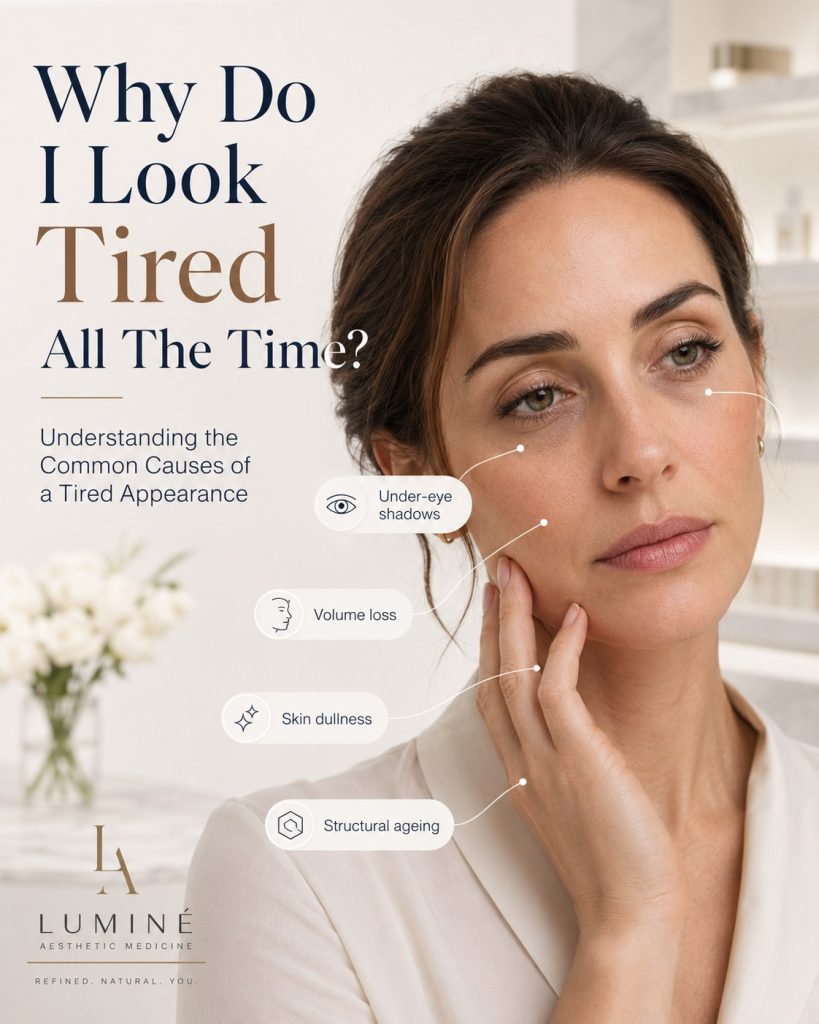
One of the most common concerns discussed during cosmetic consultations is surprisingly simple:
“Why do I always look tired?”
Many people feel healthy, sleep reasonably well, and maintain an active lifestyle, yet friends, family, or colleagues frequently ask whether they are tired, stressed, or unwell.
The truth is that looking tired is not always related to how you actually feel. In many cases, subtle changes in facial structure, skin quality, and the natural ageing process can contribute to a tired appearance even when you are well-rested.
For patients across Sydney, Macquarie Park, Chatswood, North Ryde, and surrounding areas, understanding the factors that contribute to a tired appearance can help support more informed conversations during cosmetic consultations.
Looking Tired vs Feeling Tired
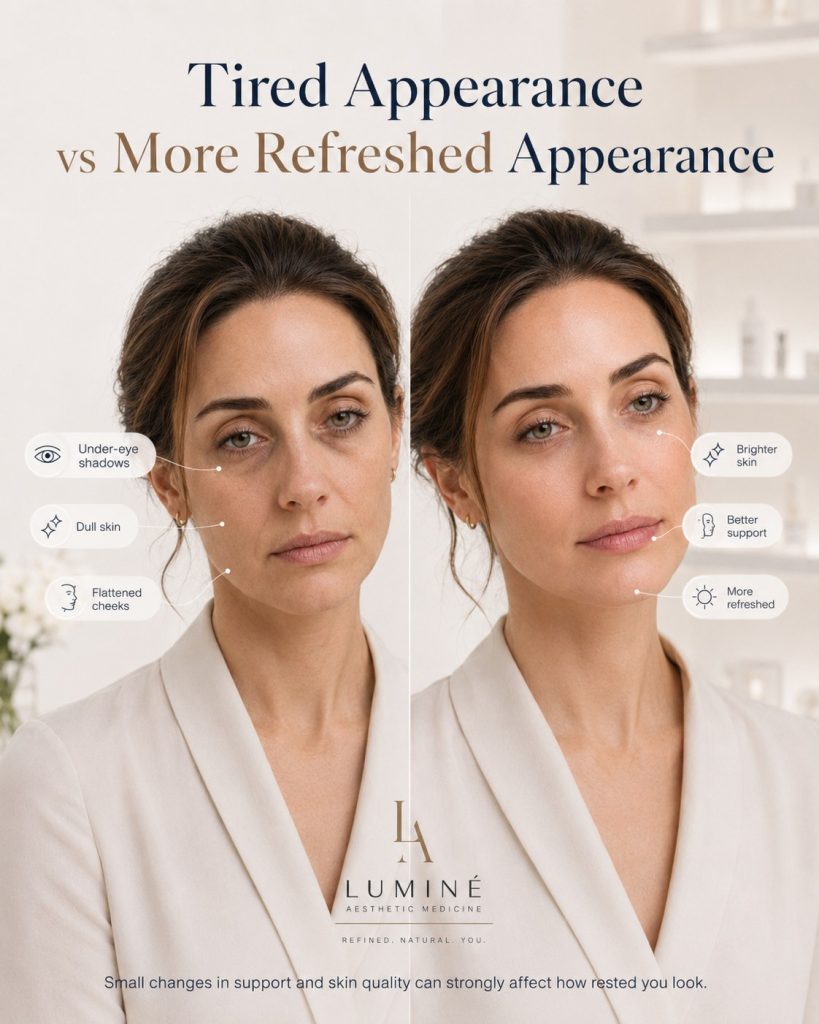
Many people assume that a tired appearance is caused solely by lack of sleep.
While sleep certainly plays an important role, appearance and energy levels do not always match.
Some individuals may:
- Sleep well
- Exercise regularly
- Eat a healthy diet
yet still appear tired.
Others may be genuinely exhausted but show very few visible signs of fatigue.
This is because facial appearance is influenced by a variety of factors beyond lifestyle alone.
Common Causes of a Tired Appearance
Changes Around the Eyes
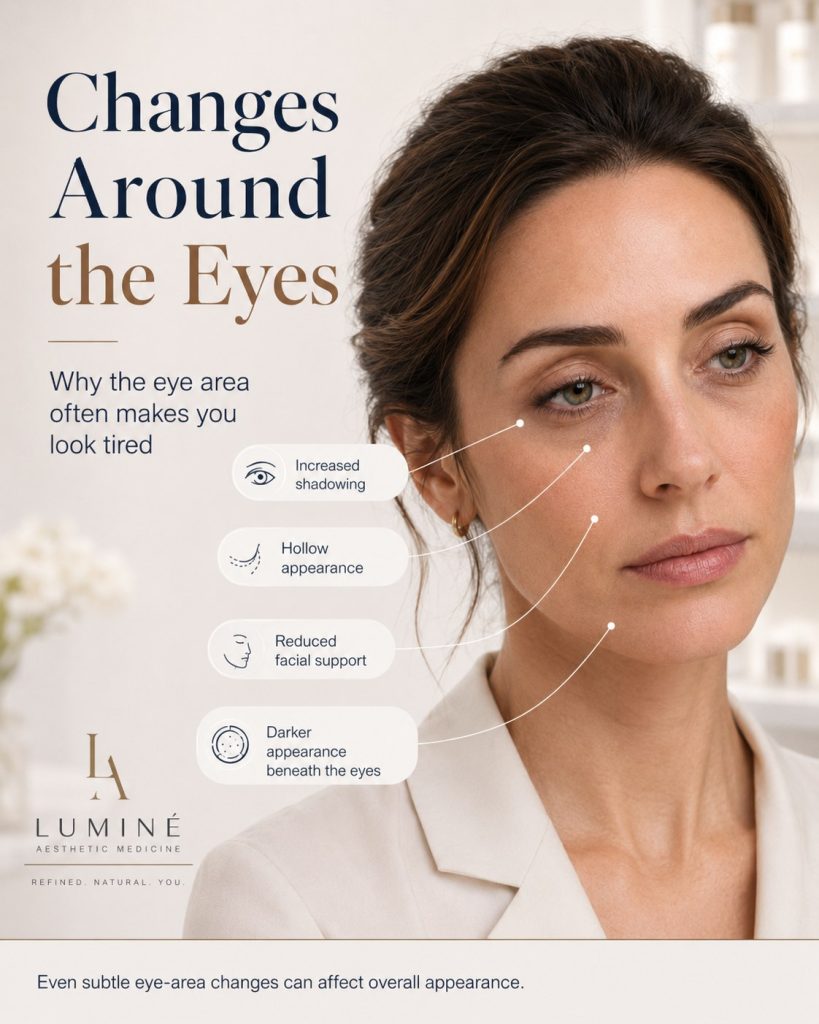
The eye area is often one of the first regions people notice when assessing whether someone looks tired.
Age-related changes around the eyes may contribute to:
- Increased shadowing
- Hollow appearance
- Reduced facial support
- Darker appearance beneath the eyes
Even subtle changes can create the impression of fatigue.
Because the eyes are a central focal point of the face, small differences in this area can have a significant impact on overall appearance.
Facial Volume Changes
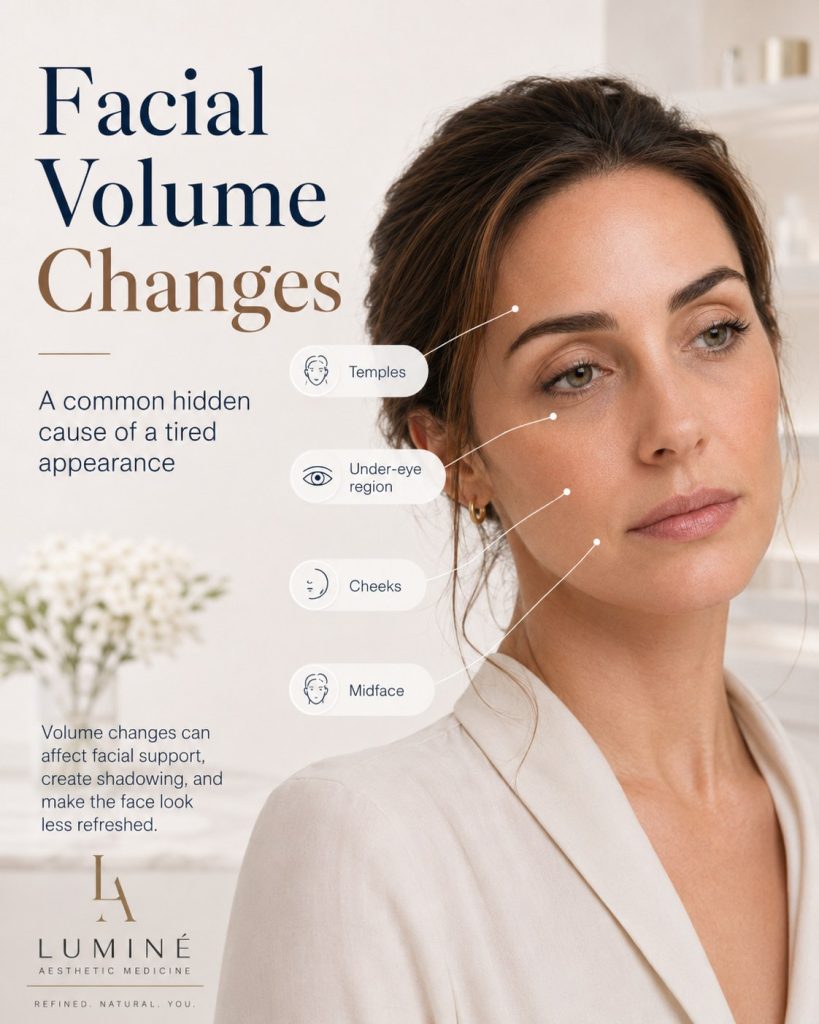
One of the most overlooked causes of a tired appearance is facial volume loss.
As we age, natural changes occur within:
- Fat compartments
- Connective tissues
- Skin
- Underlying facial structures
These changes can affect areas such as:
- Temples
- Cheeks
- Midface
- Under-eye region
When facial support changes over time, the face may appear less refreshed and more fatigued.
Many patients are surprised to learn that volume changes often contribute more to a tired appearance than wrinkles alone.
Skin Quality Changes
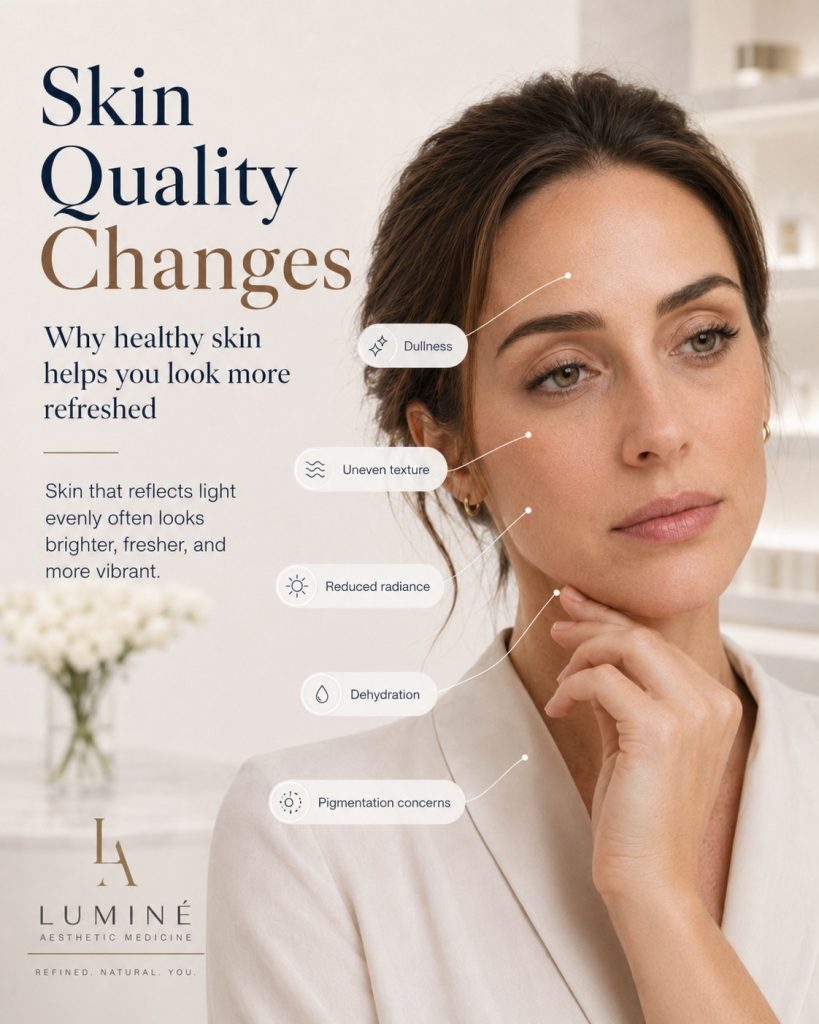
Healthy skin reflects light evenly and often appears brighter and more vibrant.
Changes in skin quality may contribute to a tired appearance through:
- Dullness
- Uneven texture
- Reduced radiance
- Dehydration
- Pigmentation concerns
As collagen production naturally declines with age, skin may gradually lose some of its youthful characteristics.
This process is entirely normal but can influence how rested a person appears.
Facial Ageing and Structural Changes
Ageing affects multiple layers of the face.
Changes occur not only in the skin but also within:
- Fat
- Muscle
- Ligaments
- Bone structure
Over time, these structural changes may influence facial balance and support.
Patients often report:
- Looking older than they feel
- Looking tired despite adequate sleep
- Looking less refreshed in photographs
These concerns are common and frequently discussed during facial rejuvenation consultations.
Stress and Lifestyle Factors
Lifestyle plays an important role in overall appearance.
Common contributors to a tired appearance may include:
Poor Sleep Quality
While quantity of sleep matters, quality is equally important.
Interrupted or inconsistent sleep may affect:
- Skin appearance
- Eye area appearance
- Overall wellbeing
Stress
Chronic stress can influence both physical health and appearance.
Stress may affect:
- Sleep patterns
- Skin quality
- General wellbeing
Dehydration
Inadequate hydration may contribute to a less vibrant appearance.
Nutrition
A balanced diet supports overall health and healthy skin function.
Smoking
Smoking is associated with accelerated skin ageing and reduced skin quality.
Why Asian Patients Often Notice “Tiredness” First
Many Asian patients seeking cosmetic consultations do not initially complain about wrinkles.
Instead, they often describe concerns such as:
- Looking tired
- Looking stressed
- Looking older than they feel
- Looking less refreshed in photos
This is partly because Asian facial ageing often involves changes in facial support and volume before deep wrinkles become prominent.
As a result, a tired appearance may be one of the earliest signs patients notice.
Why Friends Keep Asking If You’re Tired
One reason this question can become frustrating is that others are often responding to subtle visual cues rather than your actual energy levels.
People naturally pay attention to:
- Eye appearance
- Facial brightness
- Facial expressions
- Skin quality
- Facial support
Even minor changes in these areas may unconsciously signal fatigue to others.
Can Looking Tired Be Prevented?
Ageing is a natural process and cannot be completely prevented.
However, healthy lifestyle habits may help support overall skin health and appearance.
Important habits include:
- Daily sun protection
- Consistent skincare
- Adequate sleep
- Healthy nutrition
- Regular exercise
- Stress management
- Avoiding smoking
These factors contribute to healthy ageing and long-term skin quality.
When Should You Consider a Professional Consultation?
Patients may choose to seek professional advice when they notice:
- Persistent tired appearance
- Changes in facial contours
- Reduced skin quality
- Facial ageing concerns
- Changes in overall facial balance
A comprehensive consultation allows an appropriately qualified healthcare professional to assess individual concerns and discuss personalised options where appropriate.
Choosing a Cosmetic Clinic in Sydney
If you are considering a cosmetic consultation in Sydney, Macquarie Park, Chatswood, North Ryde, or surrounding suburbs, look for practitioners who prioritise:
- Comprehensive assessment
- Patient education
- Natural-looking outcomes
- Personalised treatment planning
- Realistic expectations
A quality consultation should focus on understanding the underlying causes of your concerns rather than simply addressing a single feature.
Final Thoughts
Looking tired all the time is one of the most common concerns discussed in aesthetic medicine, and the answer is often more complex than simply needing more sleep. Facial volume changes, skin quality, structural ageing, lifestyle factors, and individual anatomy can all contribute to a tired appearance.
Understanding these factors is an important first step in determining why you may appear less refreshed than you feel. Whether you are located in Sydney CBD, Macquarie Park, Chatswood, North Ryde, Epping, or surrounding suburbs, a comprehensive consultation with an appropriately qualified healthcare professional can help provide personalised advice based on your individual concerns and goals.
Disclaimer
This article is intended for general educational purposes only and does not constitute medical advice. Any medical or cosmetic treatment should only be considered following consultation with an appropriately qualified healthcare professional. Treatment suitability, risks, benefits, and alternatives should be assessed on an individual basis.